

Introduction
Let’s answer the question: “What is the Mandela Effect?”
The Mandela Effect is a phenomenon where a large group of people remember something differently from how it actually happened. It can be confusing and surprising because the memory feels very real even if it is not correct.
Why It Is Called the Mandela Effect
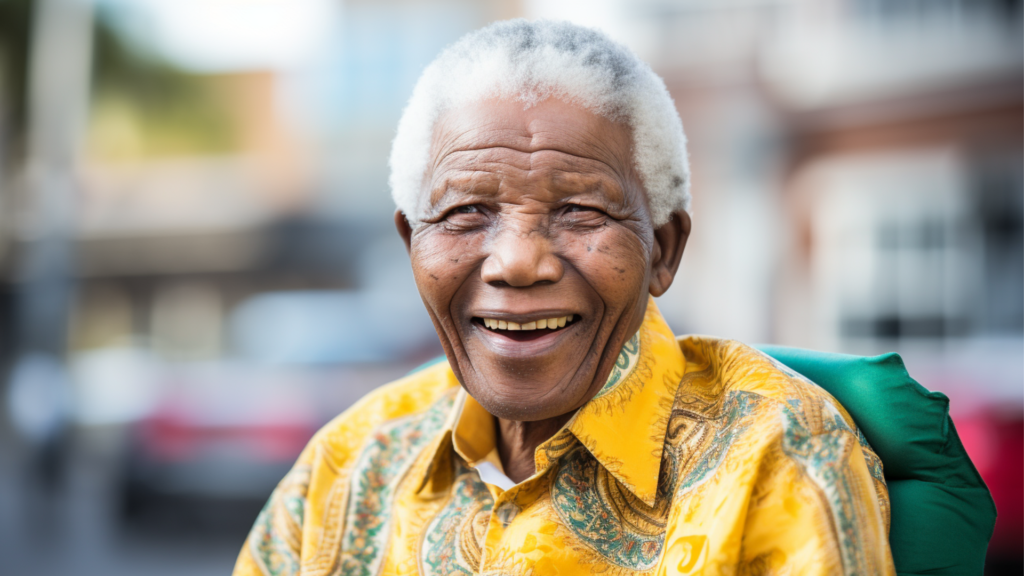
The Mandela Effect gets its name from the famous example of Nelson Mandela, the former president of South Africa. Many people remembered him dying in prison in the 1980s, even though he actually passed away in 2013. Because so many people shared this false memory, researchers and writers started calling similar shared false memories the Mandela Effect.
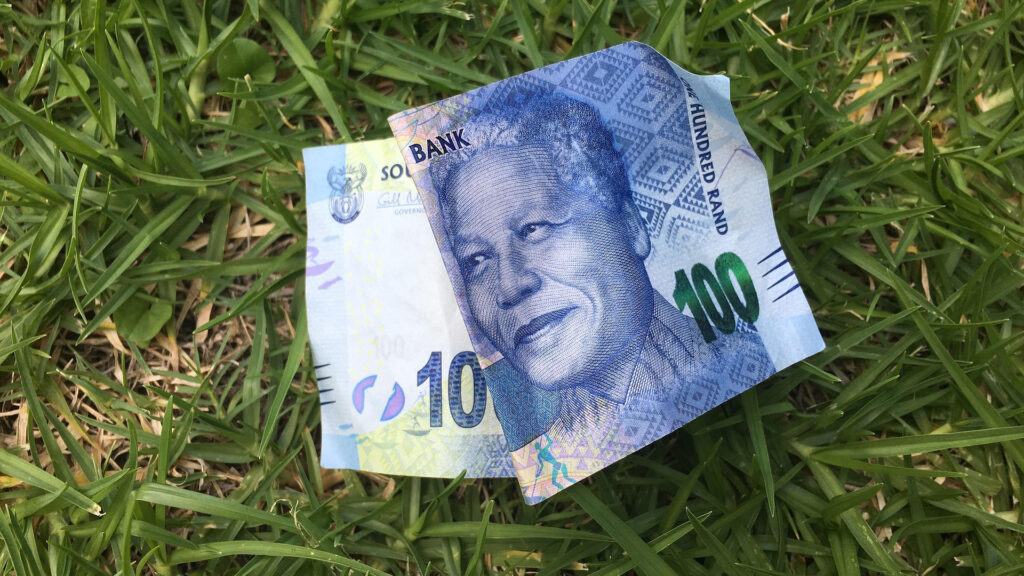
Image by shannonwalbran via Pixabay (Pixabay Content License).
How the Mandela Effect Works
The Mandela Effect happens because our brains do not always remember things perfectly. Sometimes memories get mixed up with other memories, movies, or stories we have seen. Other times people just hear a detail from someone else and start believing it. Our brains also like patterns and familiarity, so we sometimes “fill in the gaps” in ways that feel correct but are actually wrong. That is why many people can remember the same false detail.
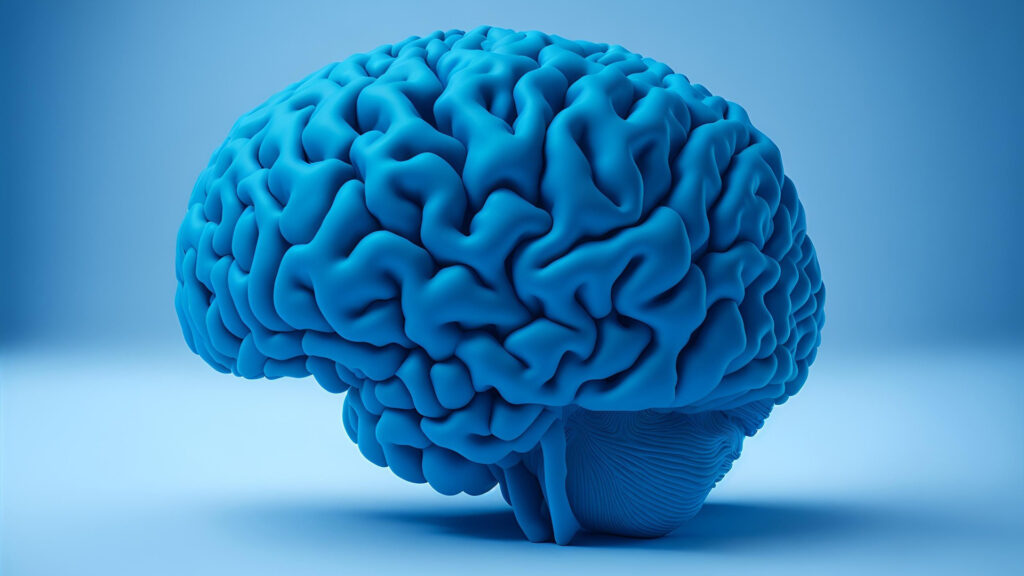
Image by TheDigitalArtist via Pixabay (Pixabay Content License).
Common Examples of the Mandela Effect
Many famous examples show how large groups of people can remember the same incorrect detail. Here are some of the most well known cases.
- Darth Vader’s Famous Line: Many people think Darth Vader says “Luke, I am your father.” The real line is “No, I am your father.”
- Forrest Gump Quote: People often say “Life is like a box of chocolates.” The real line is “Life was like a box of chocolates.”
- Apollo 13 Line: Many quote “Houston, we have a problem.” The real line in the movie and the event is “Houston, we’ve had a problem.”
- Snow White Quote: People often say the Evil Queen in Snow White says “Mirror, mirror on the wall.” The correct line is “Magic mirror on the wall.”
- Looney Tunes Name: Many call the cartoon “Looney Toons.” The correct name is “Looney Tunes.”
- Monopoly Man Monocle: Some remember the Monopoly mascot wearing a monocle. In fact, he has never worn one.
- Pikachu’s Tail: Fans sometimes recall Pikachu having a black tip on his tail. The tail has always been plain yellow with a brown base.
- C-3PO’s Leg: Some remember C-3PO in Star Wars as fully gold. In fact, he has one silver leg.
- Hello Kitty’s Mouth: Some think Hello Kitty has a mouth. The character has never had one.
- The Thinker Statue Pose: Some remember the statue The Thinker resting his fist on his forehead. The figure actually rests his chin on his hand.
- Heart Position in Humans: Many think the human heart is on the far left of the chest. It actually sits near the center, slightly tilted to the left.
- South America on Maps: Some recall South America being directly under North America. It is actually more to the southeast and tilted to the east.
- Great Wall of China Visibility: Many believe the Great Wall can be seen from space with the naked eye. Astronauts confirm it cannot because it is too narrow and blends with the environment.
- KitKat Hyphen: Many people think the candy bar is spelled “Kit-Kat.” The correct spelling is “KitKat” without a hyphen.
- Shark Attack Myths: People often think Great White Sharks attack humans frequently. Actual shark attacks are extremely rare.

Image by StockSnap via Pixabay (Pixabay Content License).
Conclusion
Thank you for reading this article! We hope the information was helpful to you and answered your questions.
We would love to hear your thoughts. Did you find the examples interesting, and have you ever experienced the Mandela Effect yourself? Let us know in the comments.
And remember, there is more content on Huxeo for you to explore, discover, and learn. Be sure to check it out!