

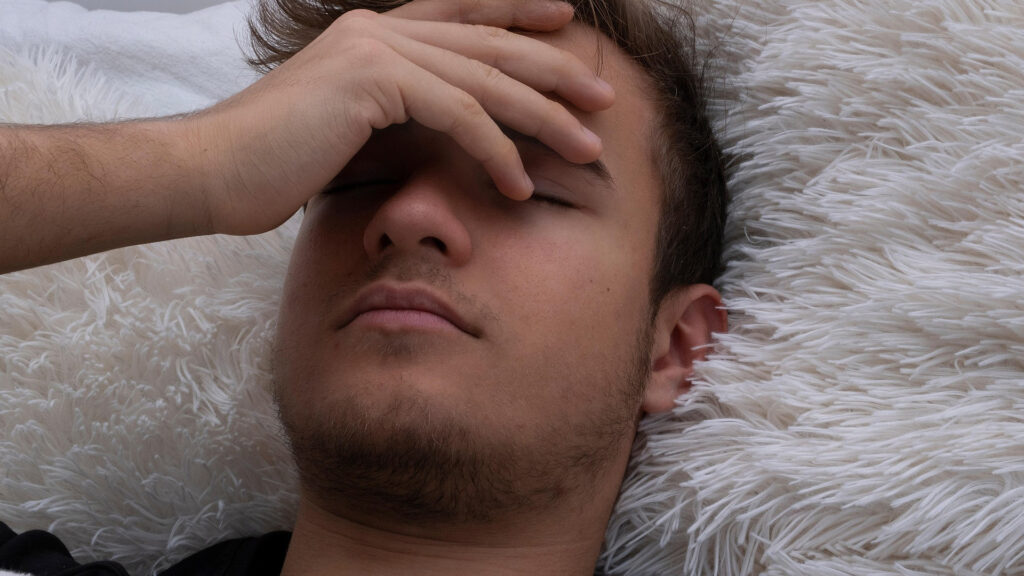
Warning
The information in this article is for general purposes only and should not be considered medical advice. Always consult a licensed doctor, pharmacist, or healthcare provider before starting, stopping, or changing any treatment or medication. If you experience severe or persistent headaches, or symptoms such as confusion, weakness, vision problems, fever, or a sudden severe headache, seek medical attention immediately. For more details, look at the Huxeo disclaimer.
Introduction
Let’s answer the question: “How can I get rid of a headache?”
Headaches are a common problem that can disrupt your day and make it hard to focus on normal tasks throughout the day. They can range from mild discomfort to severe pain and can have different causes.
Identify the Type of Headache
Understanding the type of headache you have can make it easier to find relief. While only a medical professional can diagnose headaches with certainty, the following descriptions may help you recognize common patterns:
- Tension Headaches: Tension headaches are the most common type of headache. They often feel like constant pressure or tightness around the forehead or the back of the head and neck. The pain is usually mild to moderate and may be related to stress, muscle tension, long periods of screen use, or poor posture.
- Migraines: Migraines are typically more intense than regular headaches and can interfere with normal activities. They often cause throbbing pain, usually on one side of the head. Other symptoms may include nausea, vomiting, sensitivity to light or sound, and visual disturbances such as flashing lights or blind spots.
- Sinus Headaches: Sinus headaches are usually linked to inflammation or infection in the sinus cavities. They may cause pressure around the forehead, eyes, and cheeks. The pain often becomes worse when bending forward and may occur together with nasal congestion or facial tenderness.
- Rebound Headaches: Rebound headaches, also called medication overuse headaches, may develop when pain relief medication is used too frequently over a long period of time. People with rebound headaches may experience daily or near daily headaches that improve briefly with medication but return later.
- Cluster Headaches: Cluster headaches are less common but extremely painful. They usually occur in repeated cycles called clusters. The pain is often centered around one eye or one side of the head and may be accompanied by watery eyes, nasal congestion, or restlessness.
- Post-Traumatic Headaches: Post traumatic headaches may appear after a head injury, including mild concussions. Symptoms can include persistent head pain, dizziness, difficulty concentrating, or sensitivity to light and noise. Medical advice is often recommended after any head injury.

Image by Peggy_Marco via Pixabay (Pixabay Content License).
Home Remedies for Quick Relief
Many headaches may improve with simple home remedies. These options are generally safe for many people, though results may vary, and they are intended for mild or moderate headaches.
- Drink Water: Dehydration is a common trigger for headaches. Drinking a full glass of water may help if dehydration is the cause.
- Rest in a Quiet and Dark Room: Reducing noise and light may help relieve headaches, especially migraines.
- Apply a Cold Compress: Placing a cold pack or a cool cloth on the forehead may help reduce inflammation and ease pain.
- Try a Warm Compress: For tension headaches, warmth applied to the neck or shoulders may help relax tight muscles.
- Take a Short Break From Screens: Looking at digital screens for long periods can strain the eyes and contribute to headaches.
- Practice Relaxation Techniques: Slow breathing, meditation, or gentle stretching may help reduce stress-related headaches.
- Light Neck and Shoulder Stretching: Gentle stretching may release muscle tension that contributes to headaches.
- Get Fresh Air: A short walk outside or improving ventilation indoors may help relieve discomfort.

Image by Pezibear via Pixabay (Pixabay Content License).
Over-the-Counter Medications
Some people may find relief from headaches using non-prescription medications from pharmacies or supermarkets. Common examples may include medications containing acetaminophen, ibuprofen, or aspirin.
However, these medications may not be appropriate for everyone. People with certain medical conditions, allergies, stomach issues, or those taking other medications should consult a healthcare professional before using these products. It is important to follow the dosage instructions provided on the product label and avoid taking more than recommended.
Frequent or prolonged use of pain relief medication may contribute to medication overuse headaches in some individuals. If headaches occur regularly or require frequent medication use, discussing symptoms with a healthcare provider may help identify safer long-term management options.
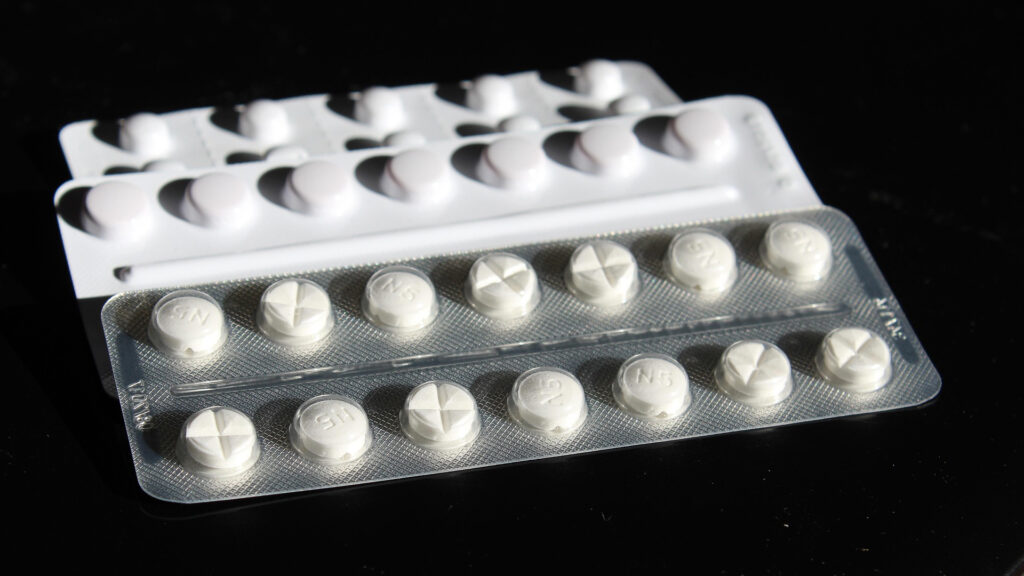
Image by sferrario1968 via Pixabay (Pixabay Content License).
Lifestyle Changes to Prevent Future Headaches
These lifestyle strategies may help reduce the frequency of mild or moderate headaches and promote overall health:
- Maintain a Consistent Sleep Schedule: Getting enough sleep and maintaining regular sleep times may help reduce headache frequency.
- Stay Hydrated: Drinking enough water throughout the day may help prevent dehydration-related headaches.
- Manage Stress: Relaxation techniques such as meditation, breathing exercises, or physical activity may help manage stress levels.
- Eat Regular Balanced Meals: Skipping meals or having low blood sugar may contribute to headaches.
- Maintain Good Posture: Proper posture while sitting, standing, or working at a desk may reduce muscle tension in the neck and shoulders.
- Limit Excessive Caffeine: Large amounts of caffeine or sudden caffeine withdrawal may trigger headaches in some individuals.
- Reduce Screen Time When Possible: Taking regular breaks from digital screens may help prevent eye strain and tension headaches.
- Track Possible Triggers: Keeping a headache journal may help identify patterns such as foods, stress, weather changes, or sleep habits that trigger headaches.

Image by Claudio_Scott via Pixabay (Pixabay Content License).
When to See a Doctor
Although many headaches are harmless and temporary, you should consider contacting a healthcare professional if you experience any of the following:
- Sudden Severe Pain: Pain that suddenly becomes much worse than usual or appears very quickly.
- Unusual or Concerning Symptoms: Symptoms such as confusion, fever, weakness, vision problems, or difficulty speaking.
- Headaches After a Head Injury: A headache that develops after a fall, accident, or other head injury.
- Frequent or Severe Headaches: Headaches that occur often or become increasingly painful.
- Headaches That Affect Daily Activities: Pain that regularly interferes with work, school, sleep, or normal daily activities.
A medical professional can evaluate your symptoms, determine possible causes, and recommend appropriate treatment options.

Image by outsideclick via Pixabay (Pixabay Content License).
Conclusion
Thank you for reading this article! We hope the information was helpful to you and answered your questions.
We would love to hear your thoughts. Did you find the tips useful, and do you have any other practices that help you manage headaches? Let us know in the comments.
And remember, there is more content on Huxeo for you to explore, discover, and learn. Be sure to check it out!